

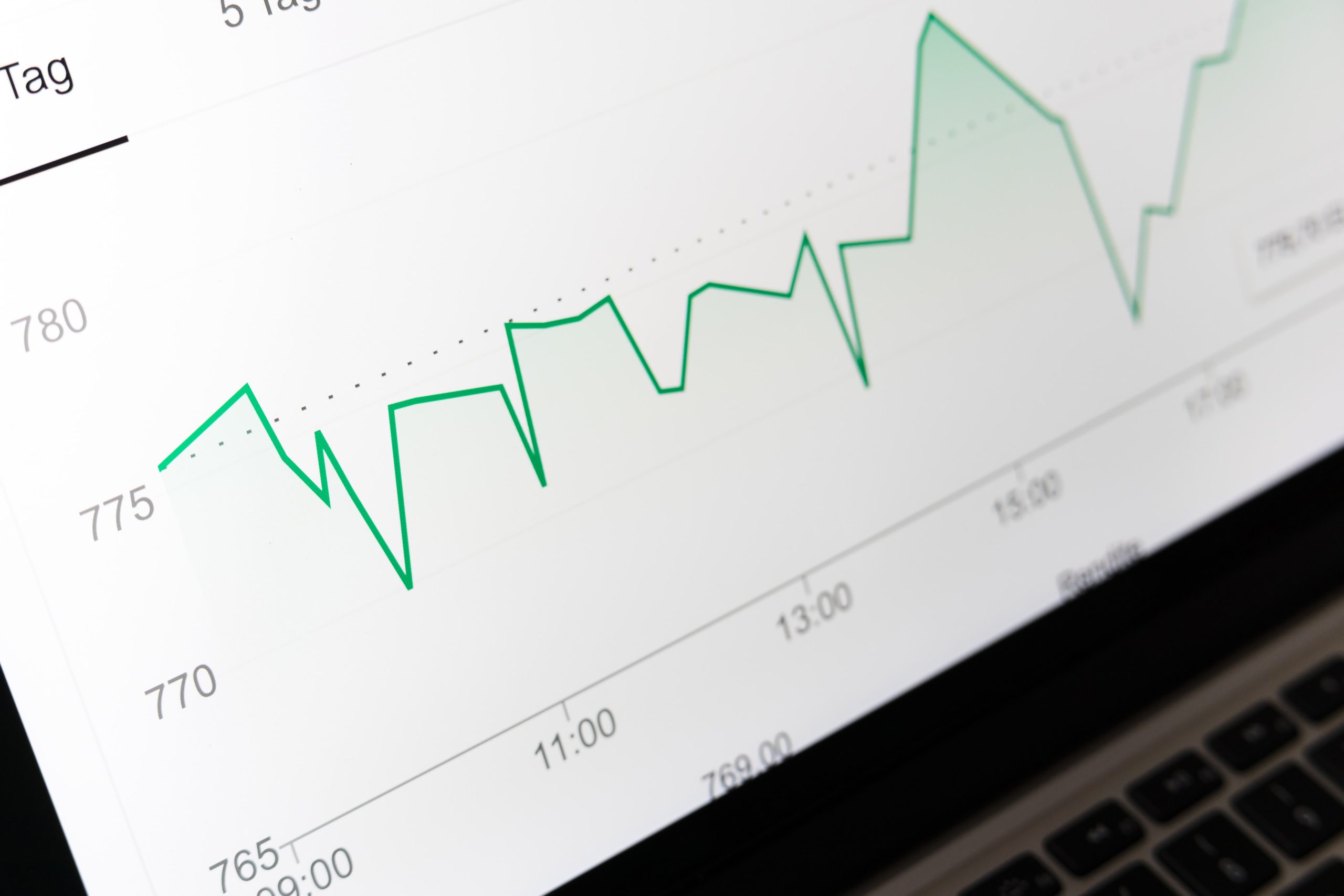
Compras são essenciais para o envolvimento de uma organização, pois a aquisição de bens e serviços. Neste artigo, exploramos a importância dos indicadores de compras no processo de aquisição eficaz. Apresentaremos exemplos de indicadores e discutiremos como eles podem ser utilizados para aprimorar o desempenho da área de compras. Descubra como os indicadores de compras podem impulsionar a eficiência da sua empresa.
A importância dos Indicadores de Compras
Para garantir um processo de compras eficiente, é crucial que tenhamos indicadores capazes de avaliar o desempenho e a eficiência da área de compras de uma empresa. Esses indicadores insights forneceram valiosos e nos auxiliaram na identificação de oportunidades de melhoria. Além disso, eles nos ajudam a tomar decisões estratégicas para gerenciar de forma eficaz o processo de aquisição de bens e serviços.
Exemplos de Indicadores de Compras
Existem vários tipos de indicadores de compras que podemos utilizar. A seguir, apresentamos alguns exemplos e suas especificidades:
- Economia de custos: Esse indicador nos permite medir a quantidade de dinheiro economizada por meio do processo de compra. Podemos calcular comparando o custo dos bens ou serviços adquiridos com o custo de produtos similares de outros fornecedores. Por exemplo, ao comparar o custo dos materiais adquiridos de um fornecedor preferencial com o custo de suprimentos similares de outros fornecedores, podemos determinar a economia de custos.
- Taxa de atendimento ao pedido: Esse indicador nos permite medir a velocidade com que atendemos aos pedidos de compra, ou seja, o tempo necessário para o fornecedor entregar o produto ou serviço solicitado.
- Índice de satisfação do cliente: Avaliar o grau de satisfação dos clientes internos (funcionários da empresa) com a qualidade dos produtos e serviços adquiridos pelo departamento de compras é fundamental.
- Nível de rotatividade de fornecedores: Esse indicador nos permite medir a frequência com que trocamos de fornecedores, o que pode indicar problemas de qualidade ou falta de estabilidade nos relacionamentos com os fornecedores.
- Nível de diversificação de fornecedores: Quantificar a quantidade de fornecedores diferentes utilizados pela empresa é importante. Uma baixa diversificação pode indicar dependência excessiva de um ou poucos fornecedores, o que pode ser arriscado em caso de problemas com esses fornecedores.
- Desempenho do fornecedor: Avaliar o desempenho dos fornecedores com base em indicadores como confiabilidade de entrega, qualidade dos produtos ou serviços e tempo de resposta às consultas é essencial para identificar os melhores fornecedores e construir relacionamentos de longo prazo.
Como a Inteligência Artificial pode aprimorar os Indicadores de Compras
A plataforma de Compras Supply Brain utiliza a Inteligência Artificial para automatizar o processo de cotação e negociação, tornando-o ágil, transparente e inteligente. Ao implementarmos essa plataforma, observamos um aumento de 33% na economia dos processos de concorrência, bem como um crescimento de até 154% na produtividade da equipe.
A automação e padronização dos processos também fornecem uma visão holística das informações, tornando-se indicadores essenciais para a gestão de compras. Além disso, reduziu o prazo médio de compras em 52%, melhorando significativamente a experiência de compra dos requisitantes e compradores da empresa.
Conclusão:
Os indicadores de compras desempenham um papel fundamental na avaliação e aprimoramento da área de compras de uma organização. Ao utilizar indicadores adequados e implementar soluções inovadoras, como a plataforma Supply Brain com Inteligência Artificial, podemos sustentar a eficiência e o desempenho das compras. É essencial adotar uma abordagem proativa na definição e monitoramento dos indicadores, a fim de obter insights valiosos e alcançar resultados alcançados.